Online Fishing stuff
place where you get all stuff for fishing

Welcome to online fishing shop. Here you get best deals for fishing stuff online.
A.P. Emerger, Hares Ear

Item #: 615020373 The Hares Ear A.P. Emerger Fly is one of the top patterns for imitating a callibaetis mayfly or damselfly nymph. This fly was developed for the shallow lakes of Oregon by well known stillwater angler Denny Rikards. When aquatic insects start to become active, lake anglers are finding the A.P. Emerger to be a one of the most consistent patterns they fish. When the fish are difficult to catch, having versatile patterns like this that match a variety of food sources will greatly increase your success. |
Get fishing and hunting magazine deals!
|

You found A.P. Emerger, Hares Ear in category and subcategory Brought to you by Online Fishing
Random fishing Flies
|
Atomic Mayfly, BH, Olive |
|
 Your price: $1.50 |
If you want to catch fish…then you better have a pile of Olive Bead Head Atomic Mayfly with you. It's not sexy, but it produces. Sure, the only thing harder to swallow than pride is flavored beer…but if tossing pride to the wind and going with the nymph rig means catching huge fish, then we all know we’ll do it. The big boys live down deep, where our beadheads in custom colors are going to find them and hook up. |
|
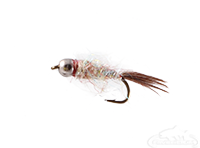
Surveyor Nymph, Rainbow, Tungsten Bead |
|
 Your price: $1.75 |
The Surveyor Nymph is a RiverBum custom pattern designed by one of the best competitive anglers in the world and fished heavily in international competitions. We have found this to be one of our most successful attractor nymphs. The Surveyor's rainbow dubbing is specially designed with a blend of different colors to capture different shades of light and stand out in any fishing condition. This pattern works as a sow bug imitator and the extra weight of the tungsten bead makes this fly sink quickly. This once local favorite is now Surveying the world and taking many fish in the process. |

Copyright © 2010 | All Rights Reserved
Created by The Dino