Online Fishing stuff
place where you get all stuff for fishing

Welcome to online fishing shop. Here you get best deals for fishing stuff online.
St. Joe Favorite
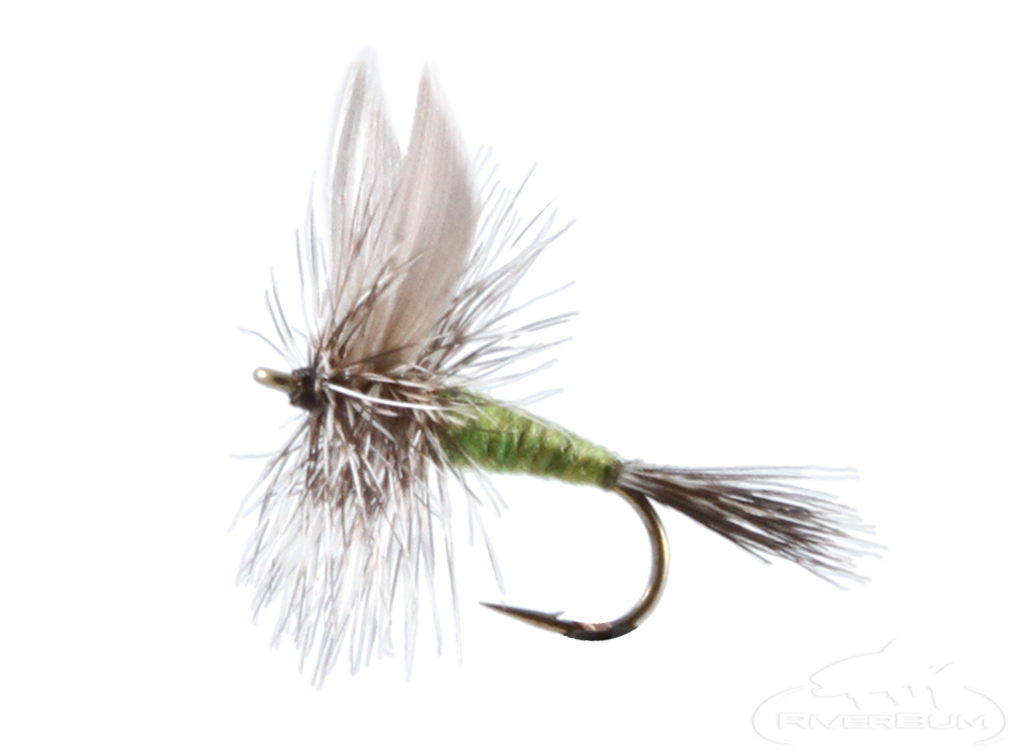
Item #: 615020061 The Blue Winged Olive of all the species and sub-species of Baetidae are one of the most varied and common insects in American waters. The numbers of trout flies that represent these are legion and include some of the most common and well-known patterns. However, on the world renowned St. Joe River in Norther Idaho, this pattern reigns supreme. It';s unique pattern catches fish like no other pattern we have developed. Try it on your home waters and bring more fish to the net! Discover what the secret of the St. Joe can do for you |
Get fishing and hunting magazine deals!
|

You found St. Joe Favorite in category and subcategory Brought to you by Online Fishing
Random fishing Flies
|
Midge, Xelon, Peacock |
|
 Your price: $1.50 |
This Peacock Xelon Midge is among the best adult midge patterns available for selective trout. Fish seem to take it willingly in the early to middle stages of a hatch or when the hatch is somewhat sparse. |
|
Blue Winged Olive, Para Wulff |
|
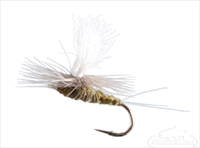 Your price: $1.50 |
No one can argue the success of Parachute flies but this fly is an upgraded version of the popular style. The horizontal hackle and the split tail gives the fly a more realistic profile on the water and by adding two split "Wulff" style wings the Para Wulff Blue Wing Olive is one of the easiest patterns to see on the water. The flashy Mylar rib adds a lifelike segmenting that grabs attention and imitates gas bubbles of emerging insects like Mayflies and Midges. These features together make this a fly fish can't pass up. |

Copyright © 2010 | All Rights Reserved
Created by The Dino