Online Fishing stuff
place where you get all stuff for fishing

Welcome to online fishing shop. Here you get best deals for fishing stuff online.
Prince Nymph, Tungsten Bead Head
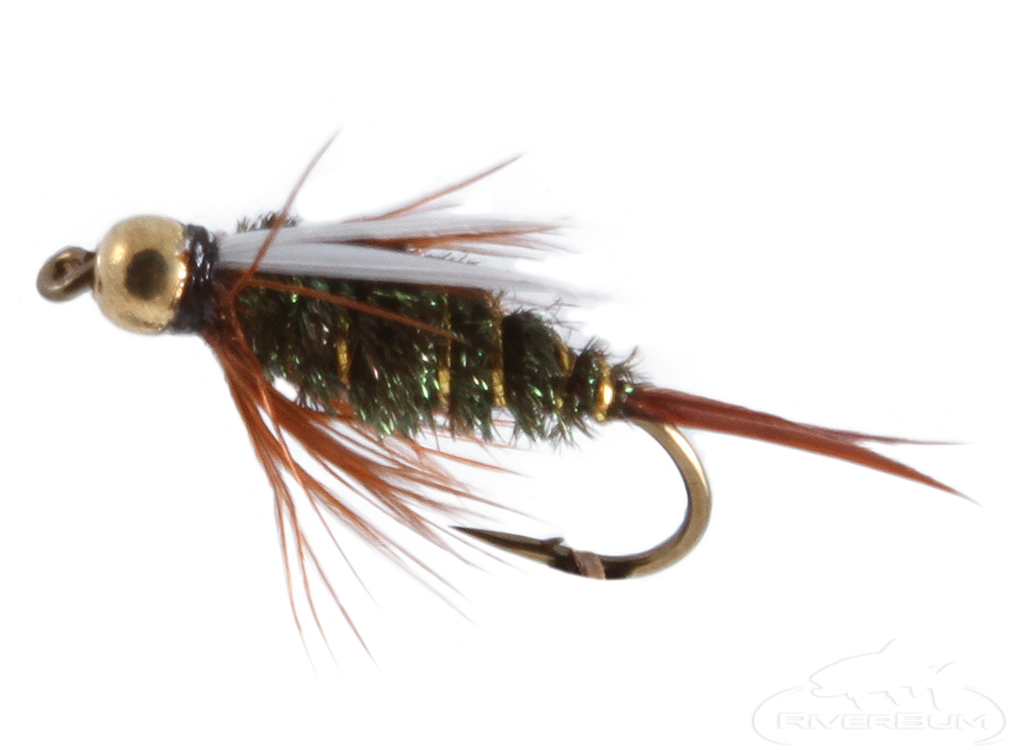
Item #: 615020335 The Tungsten Bead Head Prince Nymph is a new heavier version of the classic Prince Nymph. The heavy weight of the tungsten Bead allows you to get this fly deep, often without needing extra weight. Guides go to this pattern to make casting easier for their clients and for a quick nymphing set up. This pattern is one of the most effective attractor nymphs around. The split tail and white wing are attention getters and make this fly work extremely well in waters with Stoneflies. The iridescent flash of the peacock body closely matches natural insects like backswimmers, mayfly nymphs, Caddis, Dragon fly nymphs and others. These features make this fly work in every type of water and anglers use this pattern all over the world. It pays to carry several different sizes and varieties of this incredible pattern in your box at all times. |
Get fishing and hunting magazine deals!
|

You found Prince Nymph, Tungsten Bead Head in category and subcategory Brought to you by Online Fishing
Random fishing Flies
|
Caddis Pupa, Z-Wing, Cream |
|
 Your price: $1.50 |
This effective Cream Z-Wing Caddis fly pattern is especially useful before a caddis hatch or when fish are used to seeing caddis in the nearly emergent stage. The Z-lon wing is a proven fish attractant. It catches and reflects underwater light in an interesting and lifelike manner that can bring trout from several feet away to take a look. |
|
Bead Head Norfolk Special, Brown |
|
 Your price: $1.75 |
Originally developed for a popular Wyoming river, The Brown Bead Head North Fork Special has become a go-to stonefly pattern on trout streams across the country. With it's realistic look, this nymph simply puts fish in the net |

Copyright © 2010 | All Rights Reserved
Created by The Dino